A digital marketing tactic called search engine marketing (SEM) makes use of paid advertising to boost a website’s exposure in search engine results pages (SERPs).
Often called “paid search” or “pay-per-click” (PPC), it entails placing a bid on keywords so that advertisements show up when users look up related terms.
By connecting with potential clients who are actively looking for goods or services, SEM aims to increase traffic, leads, and sales.
- SEM provides instant visibility in search results, in contrast to SEO, which takes time to build organic rankings.
- It lets businesses concentrate on specific demographics based on their search preferences.
- Measurable result Clicks and conversions are among the campaign performance metrics that can be tracked and evaluated.
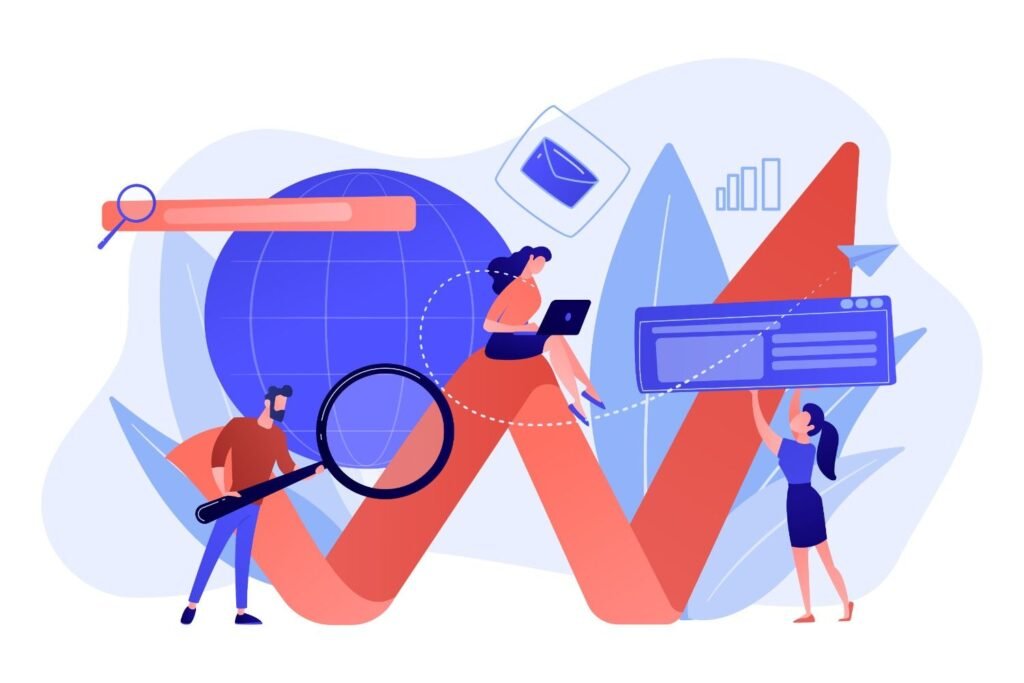
Understanding Search Engine Marketing (SEM)
Unlike search engine optimization (SEO), which focuses on producing organic, or free, traffic, search engine marketing (SEM) relies on paid strategies. The most common SEM model, pay-per-click (PPC), requires advertisers to pay a fee each time a user clicks on their advertisement.
Keyword targeting is the practice of advertisers placing bids on specific words or phrases related to their products or services. When someone searches for those terms, the advertisement shows up. Paid ads appear at the top or bottom of the SERP, often above the organic results, and are typically labeled as “Sponsored” or “Ad”.
- To promote clicks from search results, make these components compelling, incorporate your target keyword, and appropriately represent the content of the page.
- Content optimization: Make sure your material is excellent, pertinent, and fulfills the search intent of users.
- To make the text easier to read, incorporate keywords organically throughout and use headings to organize the content.
- Optimize images by giving them descriptive alt text and using descriptive file names.
- This enhances accessibility for people with visual impairments and aids search engines in comprehending the image.
Why Businesses Need Search Engine Marketing?
Relevance can be ensured by displaying ads to users according to keywords, location, device, and audience behavior.
Elevated conversion potential.
Strong buying intent is frequently present among users who search for particular terms, which increases leads and sales.
Clear data on clicks, conversions, and ROI is provided by platforms such as Google Ads, enabling accurate optimization through an google ads expert.
Advantage in competition.
Businesses can outperform rivals by appearing above organic results thanks to SEM.
What Does It Take to Master Search Engine Marketing in 2025?
- By 2025, one must focus on user intent and experience, integrate SEM and SEO to create a comprehensive search presence.
- Use artificial intelligence (AI) to become an expert in search engine marketing (SEM).
- A successful SEM strategy requires strong analytical skills, constant learning, and a balance between automated tools and strategic human oversight.
- Especially when it comes to audience segmentation and content optimization.
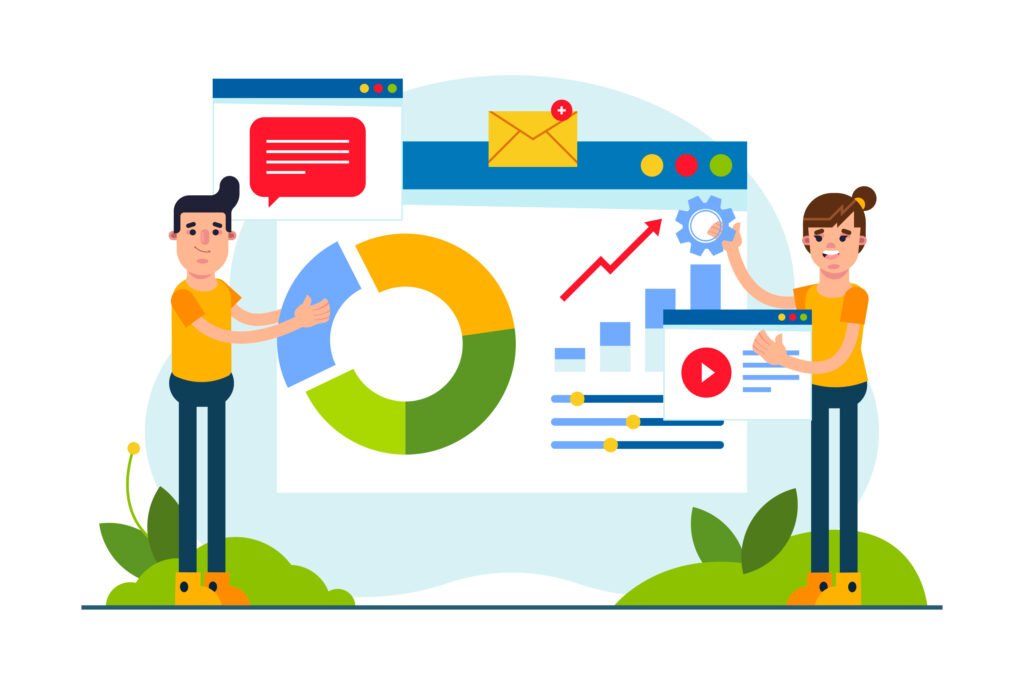
key skill and strategies
Adopt automation and AI:
- To increase productivity and performance, use automated ad optimization, predictive bidding, and AI-driven targeting.
- AI can also help automate repetitive tasks and improve ad creativity.
Prioritize user intent:
- Make sure landing pages are highly relevant to search queries by matching content and keywords to user intent (transactional, informational, etc.).
- To create both immediate benefits and long-term authority, combine SEM and SEO.
- SEO strategy can be informed by SEM data, and a thorough approach guarantees that you show up in both organic and sponsored results.
Develop credibility and brand :
- Because Google favors content from reliable and authoritative sources, concentrate on developing your brand’s visibility and credibility.
- This entails participating in communities and establishing a solid online reputation.
Master analytics and data:
- Measure performance, spot trends, and make data-driven decisions with tools like Google Analytics 4 (GA4) and Google Search Console.
- Customize and re-target: Use more sophisticated strategies, such as retargeting based on scroll depth and crafting customized ad copy, to go beyond simple retargeting.
- For local audiences, employ regional creatives.
Skill for a search engine marketer
To succeed in the cutthroat world of digital advertising, a search engine marketer (SEM) must possess a potent combination of analytical, creative, and strategic skills.
Data analysis is one of the most crucial abilities.
Reviewing metrics like click-through rates, cost per click, conversion rates, and return on ad spend takes up a large portion of the time for SEM professionals.
Comprehending these figures enables them to make well-informed choices, maximize campaigns, and guarantee that funds are utilized effectively.
Conducting keyword research is another essential skill.
A competent search engine marketer must be able to find high-intent, pertinent keywords that complement user behavior and corporate objectives.
In order to reduce wasteful spending and enhance campaign performance, this also involves choosing negative keywords.
The ability to craft effective ad copy is just as crucial as keyword expertise.
Clear calls to action, compelling descriptions, and attention-grabbing headlines can greatly boost engagement and improve outcomes.
Technical competence is also essential.
SEM specialists should be familiar with platforms like Google Ads, Microsoft Ads, and Google Tag Manager, as well as tracking mechanisms like pixels, conversion tags, and UTM parameters.
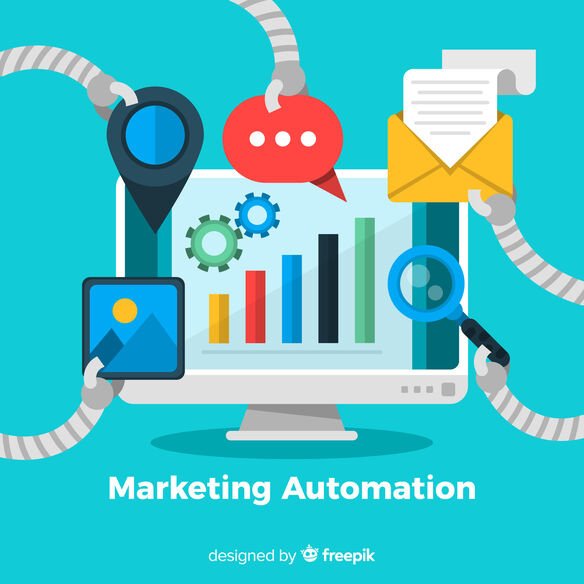
Accurate measurement and efficient optimization are supported by this technical foundation.
Strong strategic thinking abilities are also essential for a search engine marketer.
They should be able to design campaign structures, choose bidding strategies, and allocate budgets based on performance insights and overall business objectives.
Continuous improvement also requires the capacity to conduct A/B testing and analyze the outcomes.
Soft skills are also very important. Campaign success is facilitated by strong communication skills, flexibility, and attention to detail.
Marketers must promptly adapt to platform updates and market shifts, as well as clearly communicate results to stakeholders.
How does AI impact Search Engine Marketing?
Search Engine Marketing (SEM) is significantly impacted by artificial intelligence (AI), which changes the way campaigns are organized, carried out, and optimized.
Marketers can gain a deeper understanding of user behavior, search intent, and purchasing patterns by using AI to analyze enormous amounts of data in real time.
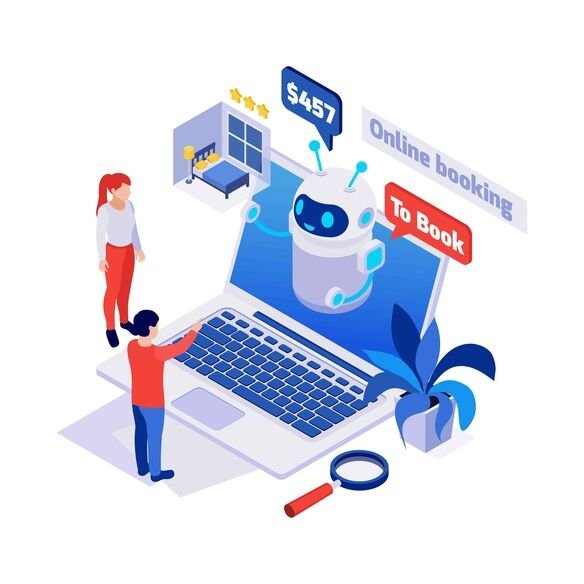
AI finds long-tail queries that might otherwise go unnoticed, predicts new search trends, and finds high-performing keywords through machine learning algorithms.
Ads are displayed to users who are most likely to convert as a result of more precise targeting and enhanced relevance.
Automated bidding and budget optimization are two of AI’s most important contributions to SEM.
Bids are instantly modified by AI-powered bidding strategies based on a variety of variables, including device type, location, time of day, browsing history, and conversion likelihood.
By allocating budgets more effectively, this AI automation maximizes return on investment while minimizing manual labor.
AI is also essential to the creation and personalization of ads because it creates a variety of ad variations, continuously tests them, and shows the best-performing versions to various audience segments.
AI also improves audience targeting by delivering highly tailored advertisements through the analysis of demographic data, online activity, and intent signals.
By swiftly deciphering intricate datasets and offering practical insights, it enhances campaign performance analysis and empowers marketers to make data-driven choices.
By tailoring advertisements for conversational queries and image-based searches, AI further facilitates new search behaviors like voice and visual search.
All things considered, AI improves SEM’s intelligence, effectiveness, and performance-drivenness, assisting companies in more successfully reaching their target market while cutting expenses and time.